The job market for graduates has changed. Here's what's different, what still works, and how to build a job search strategy that gets results when you're starting out.
The graduate job market is more competitive than it was five years ago, the application process has become more automated on both sides, and the advice most graduates receive is outdated by the time they need it. The classic approach — apply to a handful of graduate schemes, do some networking events, and wait — doesn't produce consistent results in a market where employers receive hundreds of applications for each role and where AI tools have transformed both how companies screen and how candidates apply. Here's what actually works in 2026.
TLDR
The graduate job market is competitive but navigable with the right approach. Volume, targeting, and tailoring are the three levers.
Graduate schemes are one path but not the only one. Direct applications to entry-level roles often produce faster results.
Your CV needs to be ATS-compatible and tailored per application — even for entry-level roles.
The hidden advantages graduates have: lower salary expectations, flexibility, and the ability to learn quickly. Lead with these.
The reality of the graduate job market
The number of graduates entering the job market each year has increased substantially, and application processes have become more automated. Most graduate-level applications are now screened by ATS software before a human reviews them. This means a strong CV that isn't optimized for ATS will get filtered out regardless of its author's capability.
At the same time, employers in many industries are actively looking for graduates — the problem is typically the application process, not the availability of opportunity. Companies value recent graduates for their current knowledge, digital fluency, energy, and lower salary starting point compared to experienced hires.
Understanding this context changes where you focus your effort: the problem to solve is getting through the automated screening, not convincing employers that graduates are worthwhile.
Graduate schemes vs. direct applications
Graduate schemes are structured two to three year programs typically offered by large employers in consulting, banking, law, engineering, and similar industries. They're competitive, well-known, and heavily marketed to universities. The advantages are clear: structured progression, training, and a clear career path.
The disadvantages are equally clear: they're highly competitive, have fixed application windows, and the schemes that are most competitive accept a tiny percentage of applicants. Putting all your effort into a handful of graduate scheme applications means a long period of uncertainty if they don't come through.
Direct applications to entry-level roles — jobs that aren't labeled "graduate schemes" but are genuinely open to recent graduates — often produce faster results and broader opportunity. Many excellent employers don't run formal graduate programs but hire graduates consistently into entry-level positions.
A balanced approach: apply to relevant graduate schemes within your timeline, but simultaneously run a direct application campaign to entry-level roles in your target industry.
Building your application materials
CV for graduates: See the dedicated guide: How to Write a CV With No Experience. The key points: one page, ATS-compatible format, lead with skills and education, include academic projects and extracurricular activities, and frame everything around what you did and what the outcome was.
Cover letter: Essential for competitive roles. See: How to Write a Cover Letter That Actually Gets Read. For graduates, the cover letter is an opportunity to explain why you're interested in this specific company and role — genuine interest and specific research stand out when most graduate cover letters are generic.
LinkedIn profile: Set up and optimize before you start applying. Employers check. Recruiters search. A blank or thin profile misses an opportunity to make a positive impression before the interview. See: How to Optimise Your LinkedIn Profile.
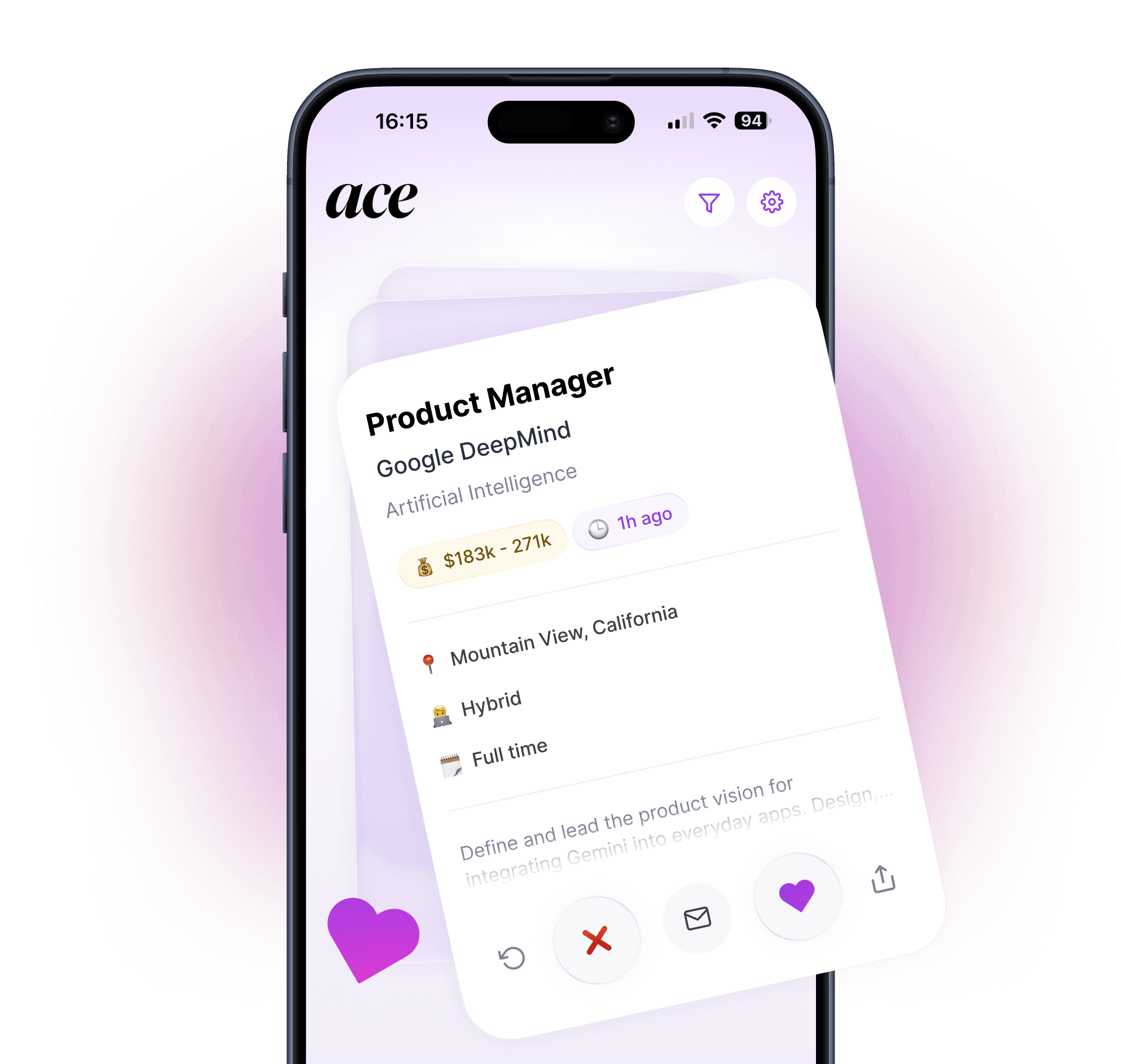
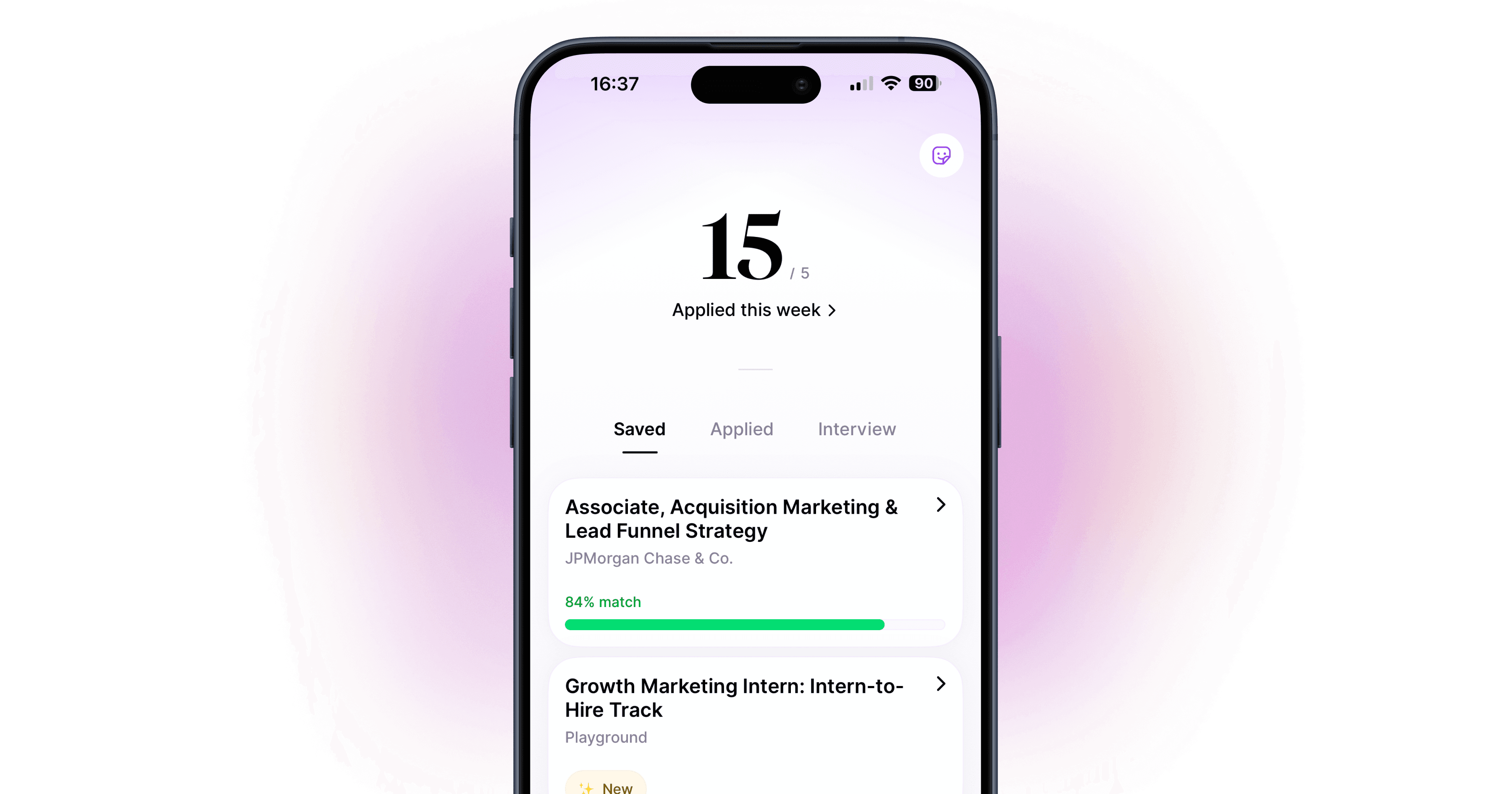
[Ace applies automatGraduate job searching requires high volume — many applications, over many weeks. Ace handles the tailoring and submission automatically, so you can apply at the volume the market requires without spending every evening filling in forms.

Application volume and targeting
The most common mistake graduates make is applying to too few roles. At a 2-5% response rate (which is normal, not a reflection of your quality), applying to 10 roles produces zero to one response. Applying to 40-50 tailored applications per month produces a more useful pipeline of interview activity.
This doesn't mean spraying the same CV everywhere — the tailoring still matters, especially for ATS screening. It means applying at meaningful volume to roles you're genuinely qualified for and interested in.
For a guide to applying at volume without losing quality: How to Apply to 100 Jobs a Week Without Burning Out.
Internships as a stepping stone
If you're struggling to get direct entry-level roles, a targeted internship in your intended field — even a brief paid or unpaid one — gives you a relevant work experience section that changes the profile of your CV significantly. Many entry-level roles close off when the applicant has zero industry experience. An internship removes that barrier.
Internships are also frequently converted into full-time roles. Many employers treat summer or placement internships as extended interviews for entry-level positions.
Networking for graduates
Your university alumni network is larger and more useful than you think. Most graduates don't use it. Many alumni are genuinely motivated to help people from their university — it's a natural connection.
LinkedIn's alumni search (go to your university's LinkedIn page and click "alumni") lets you find graduates working in your target industry, at your target companies, or in your target role. A brief, specific message — "I'm a recent graduate from [University] exploring opportunities in [field], and I noticed you made a similar transition. I'd be grateful for 20 minutes of your perspective if you have time" — gets a reasonable response rate and occasionally produces direct leads.
The mental side of graduate job searching
Graduate job searching is genuinely hard, and the gap between finishing your degree and starting your career is a real psychological challenge. Rejection at scale is demoralizing in a way that's hard to prepare for. Some practical perspective:
The response rate is low for everyone, not just you. A 5% response rate from a well-run job search is normal and not an indication that something is wrong with your application.
The timeline is longer than most people expect. A focused graduate job search typically takes two to four months to produce an offer. Planning for three months reduces the anxiety of the inevitable slow periods.
Each application and interview is a learning experience. The first phone screen is harder than the tenth. The first competency interview is harder than the fifth. Treat early rejections as practice that makes later interviews easier.
For advice on staying motivated during a long job search: How to Stay Motivated During a Long Job Search.
The bottom line
Graduate job searching takes longer than most graduates expect, requires more applications than feels reasonable, and rewards persistence over perfection. The candidates who land roles fastest are those who start early, apply consistently, and don't wait for the perfect application before submitting. A good-enough application sent today beats a perfect one sent next week. Ace handles the consistency side automatically — so your applications keep going out even when motivation is low.
For building your CV when experience is limited: How to Write a CV With No Experience. For LinkedIn as a graduate: How to Optimise Your LinkedIn Profile to Attract Recruiters.
Apply at graduate job search volume with Ace — free to try on iOS and Android
FAQ
How long does it take to find a graduate job?
A focused job search — tailored applications, meaningful volume, strong materials — typically takes two to four months to produce an offer. Less for highly sought-after technical skills, longer for highly competitive generalist fields like law or consulting.
Should I apply for graduate schemes or entry-level jobs?
Both. Graduate schemes offer structured progression and clear development, but they're competitive and have fixed windows. Entry-level direct applications produce faster results and broader opportunity. A parallel strategy produces the best outcome.
How many jobs should a graduate apply for?
Enough to generate consistent interview activity. At a 2-5% response rate, 20-40 well-targeted tailored applications per month is a reasonable starting point. More if you're in a highly competitive field or broad location requirement.
What's the most important thing in a graduate CV?
ATS compatibility first — if the CV doesn't pass automated screening, nothing else matters. After that, the framing of your experience (even limited experience) around outcomes rather than responsibilities. And a professional summary that connects your specific background to the type of role you're targeting.
How do you compete against graduates with better degrees or more prestigious universities?
Differentiate on specificity and fit. A graduate who writes a cover letter referencing the company's actual product and maps their project work directly to the role will often outperform a stronger candidate with a generic application. Tailoring matters more than credentials in most graduate hiring.